

Table of Contents
- Understanding the Golf Dress Code and Professional Standards
- High Quality Golf Polo Shirts as Your Foundation
- Men's Golf Attire Dress Code Essentials
- Professional Golf Outfit Ideas for Multiple Settings
- Layering and Weather Adaptability
- Budget-Friendly and Sustainable Golf Fashion Choices
- Common Styling Mistakes to Avoid
- Frequently Asked Questions
Last Updated: October 1, 2026
Understanding the Golf Dress Code and Professional Standards
Professional golf apparel isn't just about following rules. It's about presenting yourself as someone who respects the game and the environment you're in. The golf dress code exists for a reason: it maintains the tradition and etiquette that make golf courses welcoming spaces for all players.
Most courses enforce similar standards. You'll need a collared shirt, appropriate bottoms, and golf shoes. But understanding why these rules exist helps you make better styling choices that work across different settings.
The core principle is simple: professional golf apparel reflects respect for the course, your playing partners, and the sport itself. When you dress the part, you feel more confident. And that confidence translates to better play.
High Quality Golf Polo Shirts as Your Foundation
A quality polo shirt is the cornerstone of any golf wardrobe. It's versatile enough to wear on the course, at the clubhouse, and even to casual office settings. The right polo does all the heavy lifting in your outfit.
What Makes a Polo Performance-Ready
A performance polo isn't just a regular shirt with buttons. It needs specific qualities to handle the demands of golf.
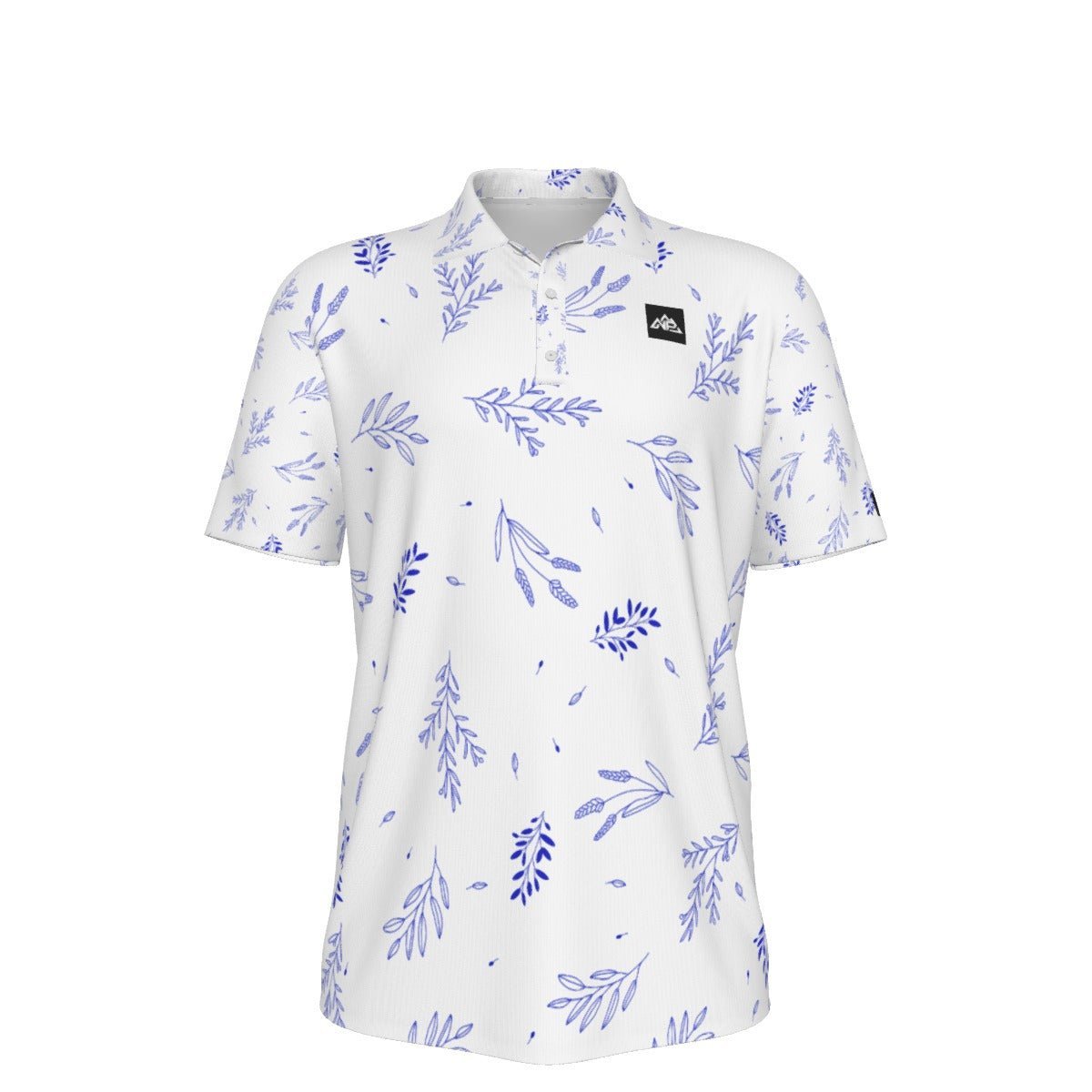
Moisture-wicking fabric pulls sweat away from your skin. This keeps you dry and comfortable during your round, even in heat or humidity. Look for synthetic blends like polyester or polyester-spandex combinations. The NP 26 BT Men's Two-Piece Collar Polo Shirt uses 100% polyester interlock that delivers exactly this function.
Breathability matters just as much. You're moving around, swinging, walking the course. Your shirt needs to let air flow. Dense, heavy fabrics trap heat. Lighter performance fabrics keep you cool.
UV protection shields your skin from sun damage during long rounds. Many performance polos include UPF (ultraviolet protection factor) built into the fabric. The Nested Peak Performance Polo offers UPF sun protection, which is essential if you're spending four hours outdoors.
Durability is where premium polos separate themselves. Cationic dyes hold color through repeated washing. Reinforced seams don't fray. Quality construction means your polo looks sharp after dozens of rounds, not just a few.
Fit and Silhouette for a Polished Look
Fit determines whether you look polished or sloppy. A polo that's too loose looks baggy. One that's too tight restricts movement.
The best fit for golf is a team fit or slim fit. Team fit gives you room to move without excess fabric bunching. It skims your body without clinging. Slim fit is slightly more tailored and works well if you have a leaner build.
Sleeve length should hit your shoulder at the natural seam. Sleeves that are too long look awkward when you're addressing the ball. Too short looks unfinished.
The length of the shirt matters too. It should cover your backside completely when you're standing upright. When you bend over to putt, it shouldn't ride up and expose your back.
Collar construction affects how the shirt looks over time. A reinforced collar keeps its shape through washing. Cheap polos develop floppy collars that look worn out quickly.
Men's Golf Attire Dress Code Essentials
Golf dress codes for men center on a few key pieces. Get these right, and you'll fit in at virtually any course.
Trousers and Shorts That Work
Your bottoms are just as important as your top. The rules are straightforward, but the execution matters.
Tailored trousers are the safest choice. Khaki, navy, black, or gray work on any course. Look for a flat-front design with a clean crease. Tailored trousers should fit at your natural waist, not slung low. The inseam should hit the top of your shoe with a slight break.
Golf shorts are acceptable at most courses. They should hit at or just above the knee. Longer is always safer than shorter. Cargo shorts with excessive pockets look too casual. Stick with simple, clean designs.
Chinos bridge the gap between casual and formal. They're more relaxed than tailored trousers but more intentional than cargo shorts. Choose neutral colors that pair easily with polos.
What to avoid:
- Denim of any kind (almost universally banned)
- Sweatpants or joggers
- Shorts that are too short or too long
- Pants with rips, tears, or distressing
- Overly baggy or oversized fits
Fabric matters. Look for stretch material that moves with you. Golf involves bending, swinging, and walking. Rigid fabrics restrict movement. A blend of cotton and spandex or polyester and spandex gives you flexibility without looking athletic.
NP 26 BT Men's Two-Piece Collar Polo Shirt →
Footwear and Accessories
Golf shoes are non-negotiable. Most courses require them. They provide stability during your swing and traction on wet grass.
Spikeless golf shoes are the modern standard. They look more like regular athletic shoes but have specialized soles for grip. They're comfortable for walking and acceptable in the clubhouse.
Traditional spiked shoes offer maximum traction but look more athletic. Some private clubs prefer them. They're typically not allowed in the clubhouse.
Color matters more than you might think. White, black, or neutral tones work everywhere. Bright neon colors can look out of place at formal clubs.
Socks should be mid-calf length and match your pants color. White socks with dark trousers look wrong. Dark socks with light trousers look wrong. Match the tone of your bottoms.
A belt keeps your trousers in place and adds a finished touch. Leather belts in brown or black work with most outfits. Avoid flashy buckles or novelty belts.
A cap or visor is optional but practical. Golf caps keep sun out of your eyes and look intentional. Choose solid colors that coordinate with your outfit.

Professional Golf Outfit Ideas for Multiple Settings
The beauty of professional golf apparel is that it works across different environments. You can wear the same pieces on the course, at the clubhouse, and even to the office.
Course to Clubhouse Transitions
Your outfit should work seamlessly from the first tee to lunch at the clubhouse.
Start with your performance polo. The Nested Peak Performance Polo transitions beautifully because it looks polished while performing under stress. Pair it with tailored chinos or golf shorts. Add spikeless golf shoes and a cap.
This outfit works on the course. When you move to the clubhouse, you're already dressed appropriately. No need to change. You look intentional and put-together.
The key is avoiding anything that looks purely athletic. Moisture-wicking fabric is fine. Neon colors and oversized fits are not. Stick with neutral tones and clean lines.
If you're playing in cooler weather, layer with a lightweight pullover or sweater. A quarter-zip or half-zip works better than a full hoodie. It looks more refined and you can adjust easily as temperatures change.
Office-Ready Golf Styling
Some professionals play golf before or after work. Your outfit needs to work in both environments.
Start with a quality performance polo in a professional color: navy, light blue, gray, or white.
Layering and Weather Adaptability
Golf happens in all seasons. Your wardrobe needs to adapt without sacrificing style.
Budget-Friendly and Sustainable Golf Fashion Choices
Premium golf apparel doesn't require premium prices. Smart shopping and sustainable choices can build a quality wardrobe affordably.
Common Styling Mistakes to Avoid
Even experienced golfers make styling errors. Knowing what to avoid saves you from looking out of place.
Outfit Component |
Best Choice |
Why It Works |
|---|---|---|
Shirt |
Performance polo |
Moisture-wicking, UV protection, polished look |
Bottoms |
Tailored trousers or chinos |
Professional appearance, appropriate fit |
Shoes |
Spikeless golf shoes |
Traction, clubhouse-appropriate, comfortable |
Layering |
Quarter-zip or lightweight sweater |
Adjustable, maintains polished appearance |
Accessories |
Cap or belt |
Functional, completes the outfit |
Frequently Asked Questions
What makes a high quality golf polo shirt suitable for professional settings?
A professional golf polo combines moisture-wicking fabric, UV protection, and a tailored fit that works both on the course and in the office. Look for performance materials like polyester blends with stretch, breathable construction, and refined details such as a clean three-button placket and dyed-to-match buttons. The Nested Peak Performance Polo, for example, uses 100% polyester interlock with moisture-wicking properties and UPF sun protection, making it versatile enough for any professional environment while maintaining a polished appearance.
How should professional golf apparel fit to look sharp across different settings?
Professional golf apparel should have a tailored, athletic fit that moves with your body without excess fabric. The fit should be snug enough to look intentional but loose enough for a full range of motion on the course. Slim-fit or team-fit silhouettes work best for transitioning from the fairway to the office, as they create a clean line without appearing gym-focused. Pay attention to sleeve length, shoulder seams, and hem length—these details determine whether you look polished or casual.
Can the same golf outfit work for the course, clubhouse, and office?
Yes, with the right pieces. A performance polo paired with tailored chinos or dress trousers creates a versatile look that works across all three settings. The key is choosing items in neutral or professional colors, ensuring everything fits well, and paying attention to fabric quality and finish. A collared polo with moisture-wicking properties and a polished design can transition seamlessly from the tee to a client meeting when paired with appropriate bottoms and professional accessories.
What's the best way to layer golf apparel for changing weather?
Start with a moisture-wicking base layer, add a performance polo as your primary layer, then incorporate a mid-layer like a lightweight windbreaker or fleece vest for cooler conditions. Choose breathable, stretch materials that allow full range of motion. For sun protection, pair your layered setup with a golf cap or visor. The goal is to stay comfortable without restricting movement—avoid heavy, bulky fabrics that limit your swing or look oversized when layered.